Space & science
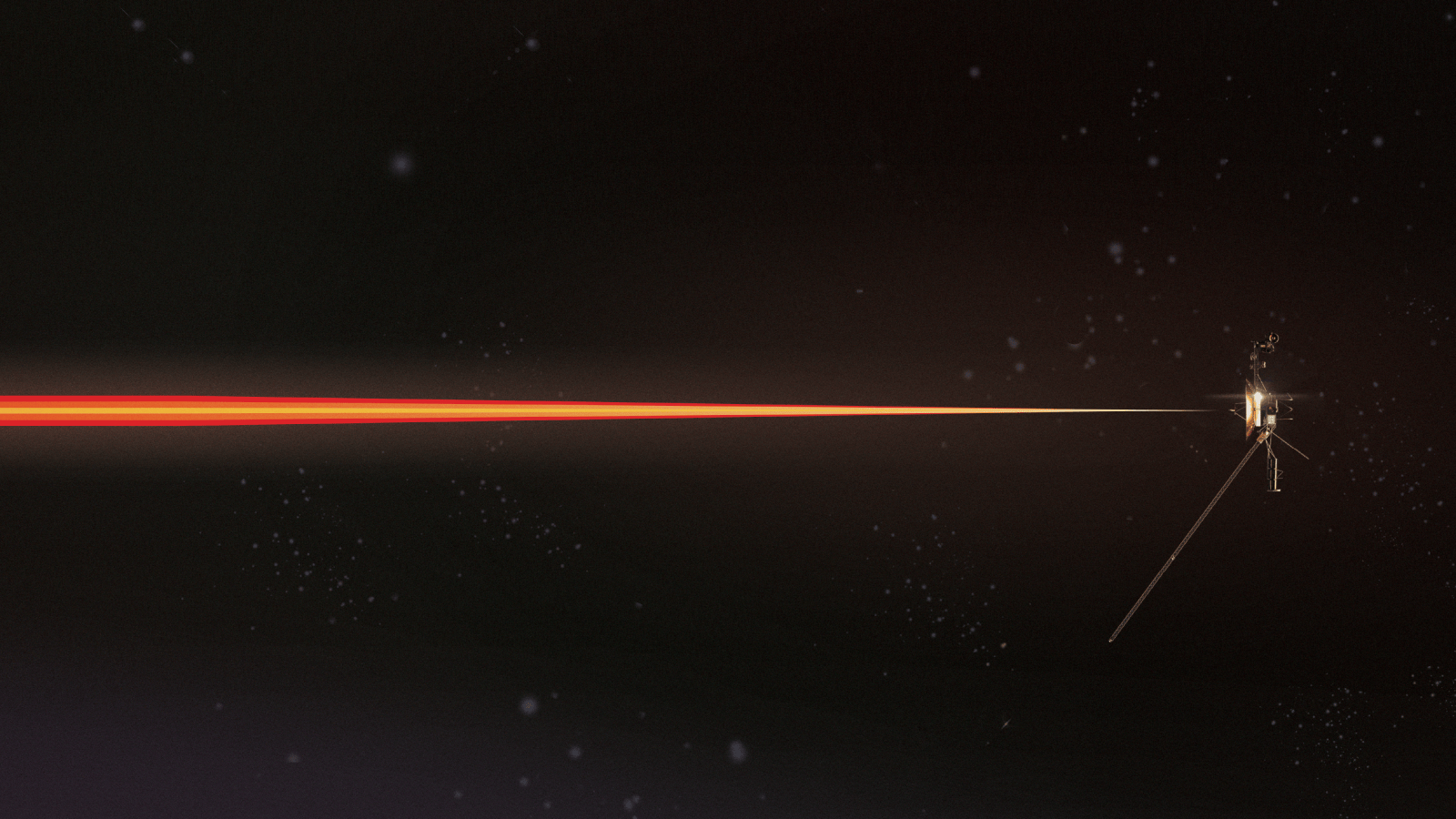
Voyager 1 becomes the first spacecraft to reach one light-day from Earth
Nearly half a century after launch, NASA's farthest probe is now so distant that its radio signal needs a full day to get home.
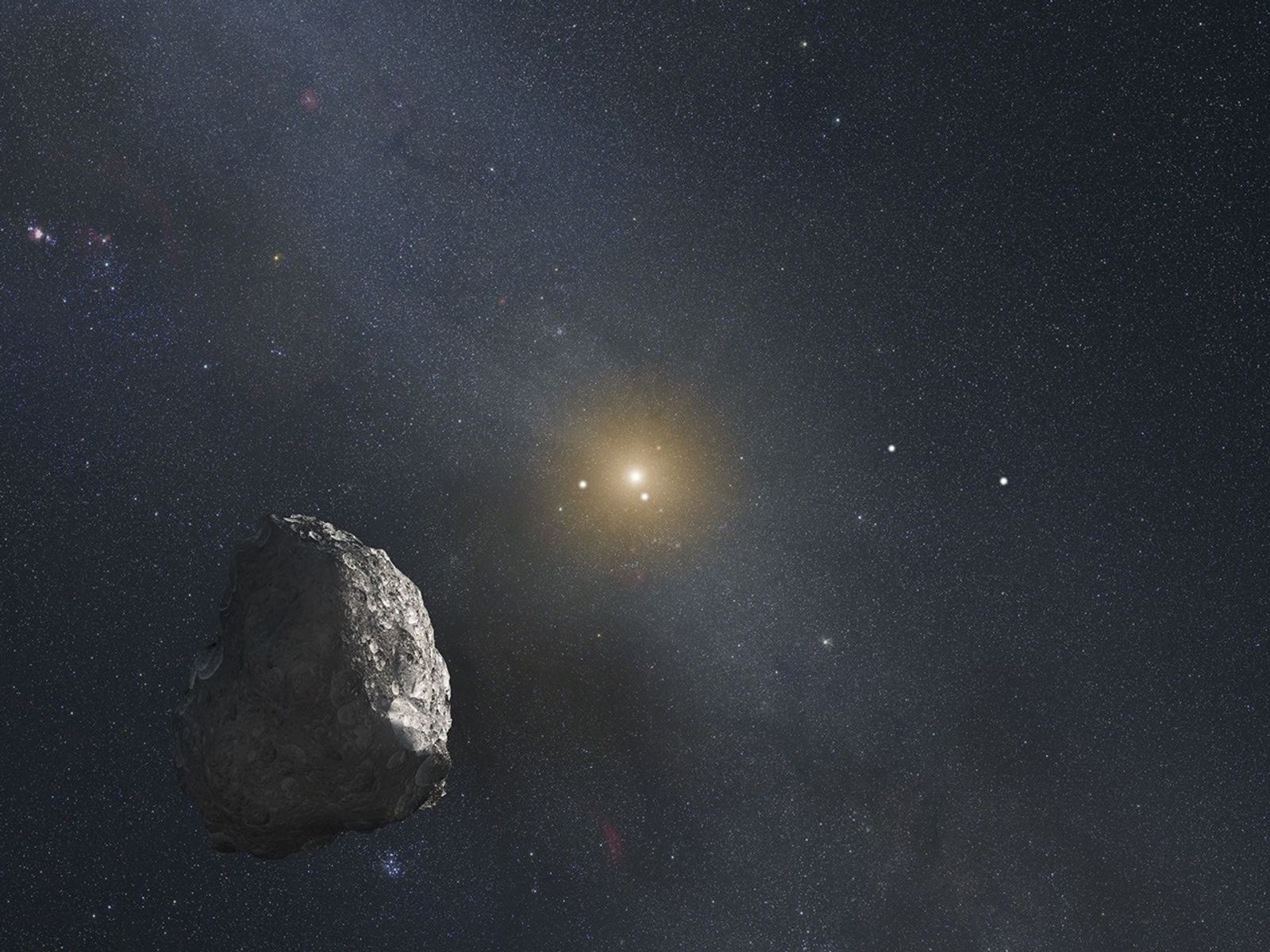
Space dust caught by a NASA jet points to ancient ice beyond Neptune
Twelve tiny grains collected high in Earth's atmosphere carry chemical fingerprints of water from the outer solar system.
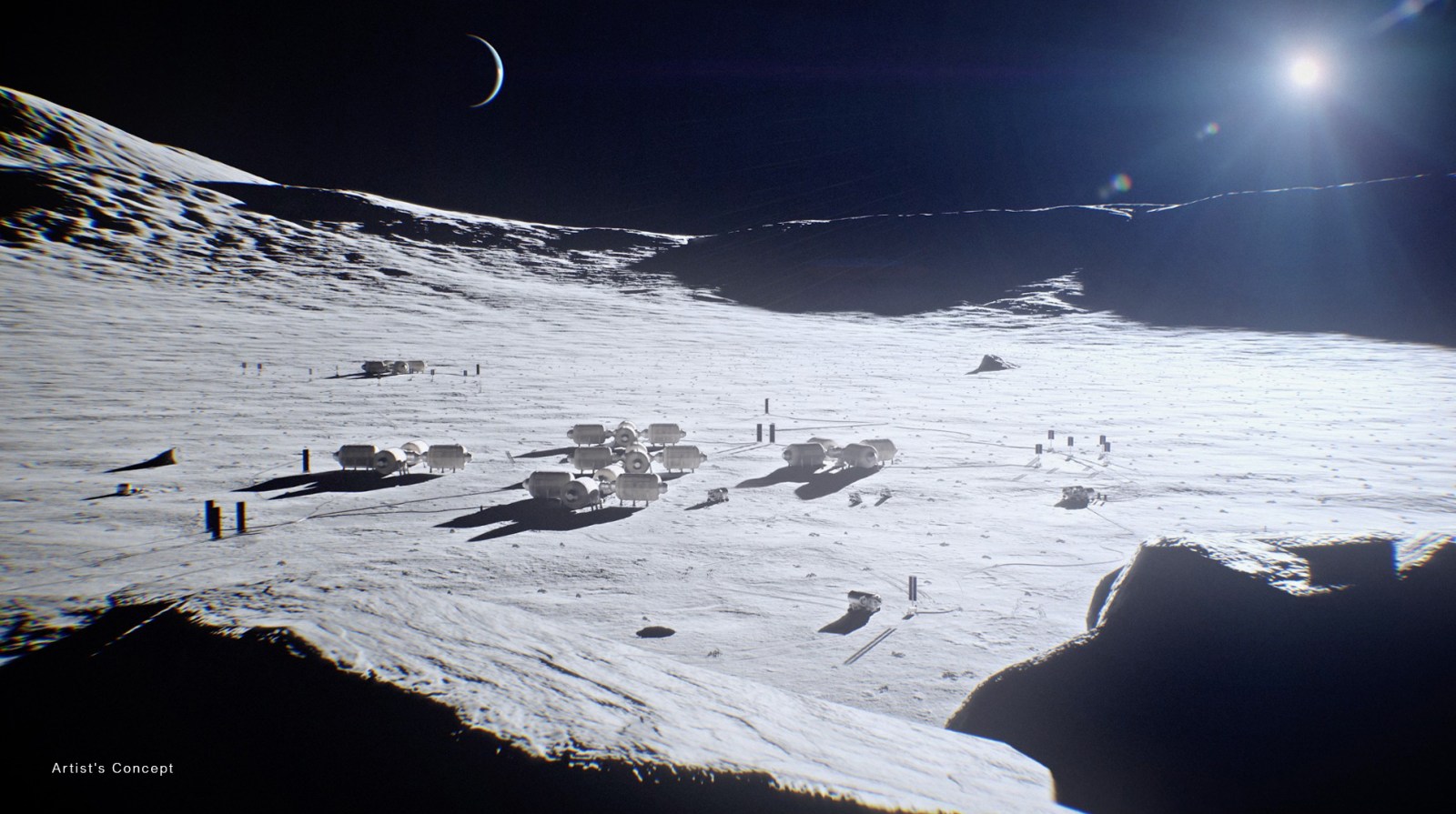
NASA hands out billions in Moon Base contracts for landers, rockets and a nuclear-powered rover
Announced at the MAX POWER expo in Florida, the awards cover cargo deliveries, launches, power systems and a new rover for the lunar South Pole.
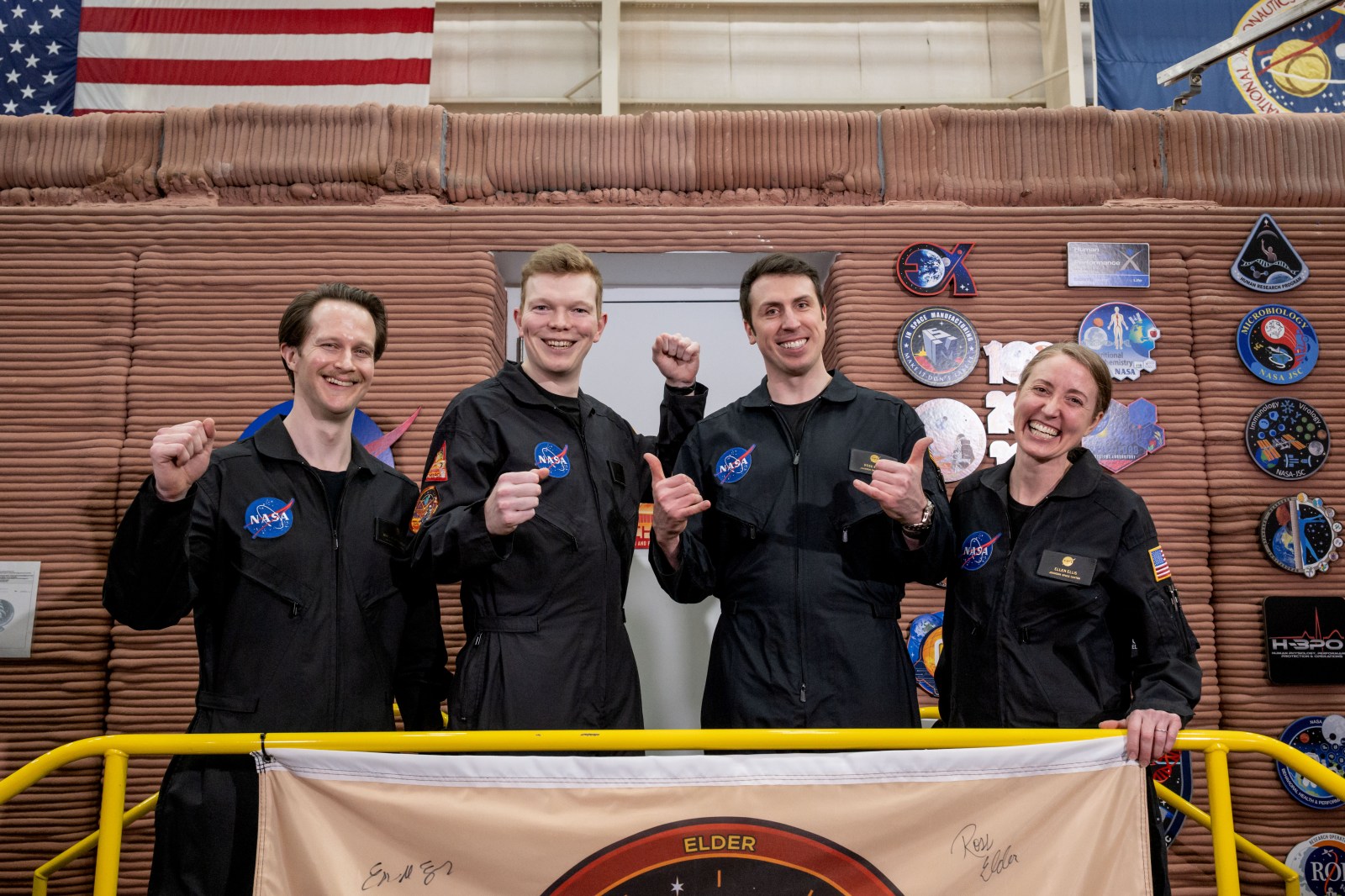
Four volunteers step out after 378 days in NASA's simulated Mars habitat
The CHAPEA Mission 2 crew lived in a 3D-printed, windowless home in Houston, with messages to Earth delayed by up to 22 minutes.
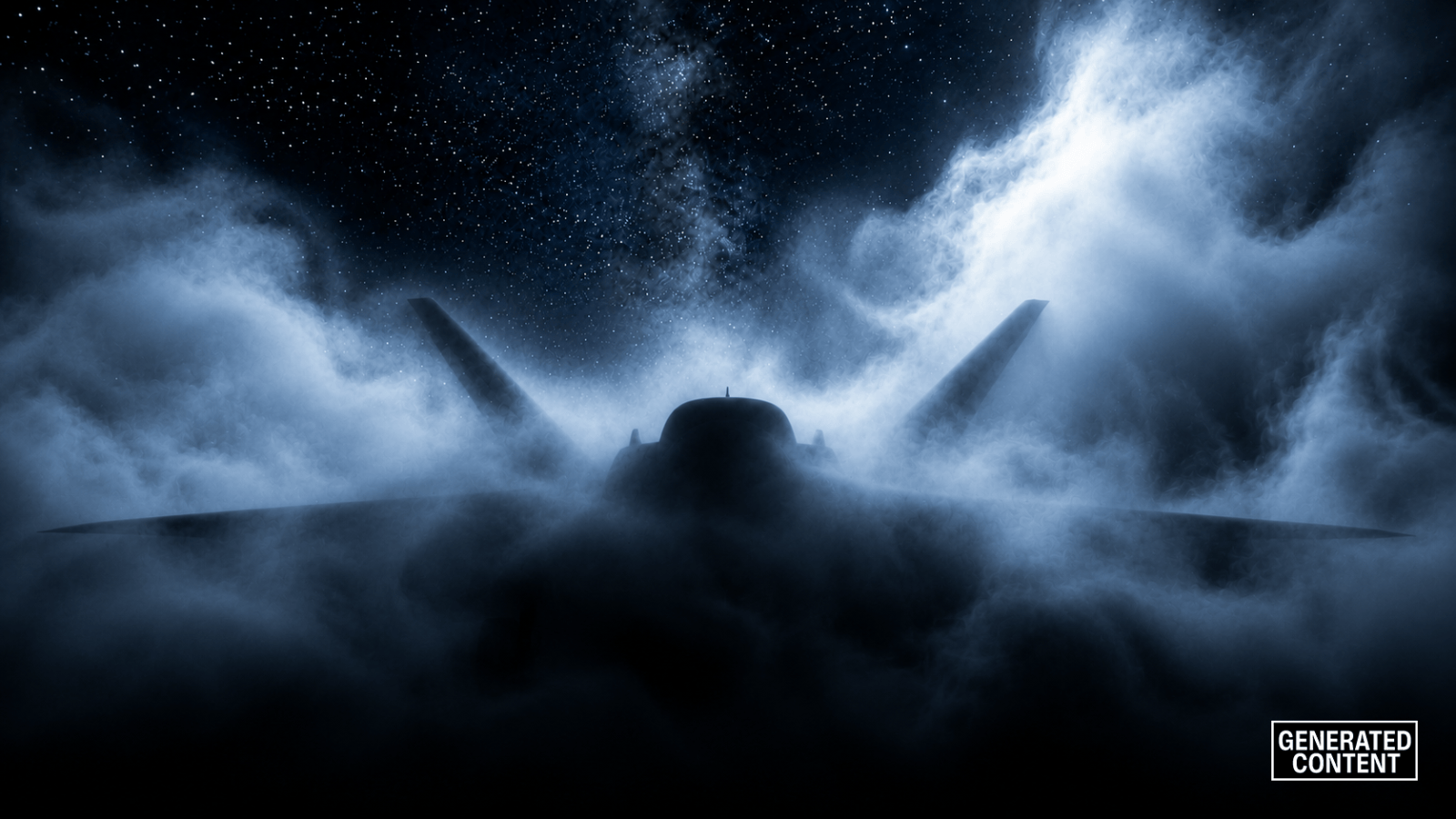
NASA unveils the X-70 Fractal, its newest experimental aircraft
The crewed research jet is built to swap experiments quickly and test maneuvers never tried in piloted flight.
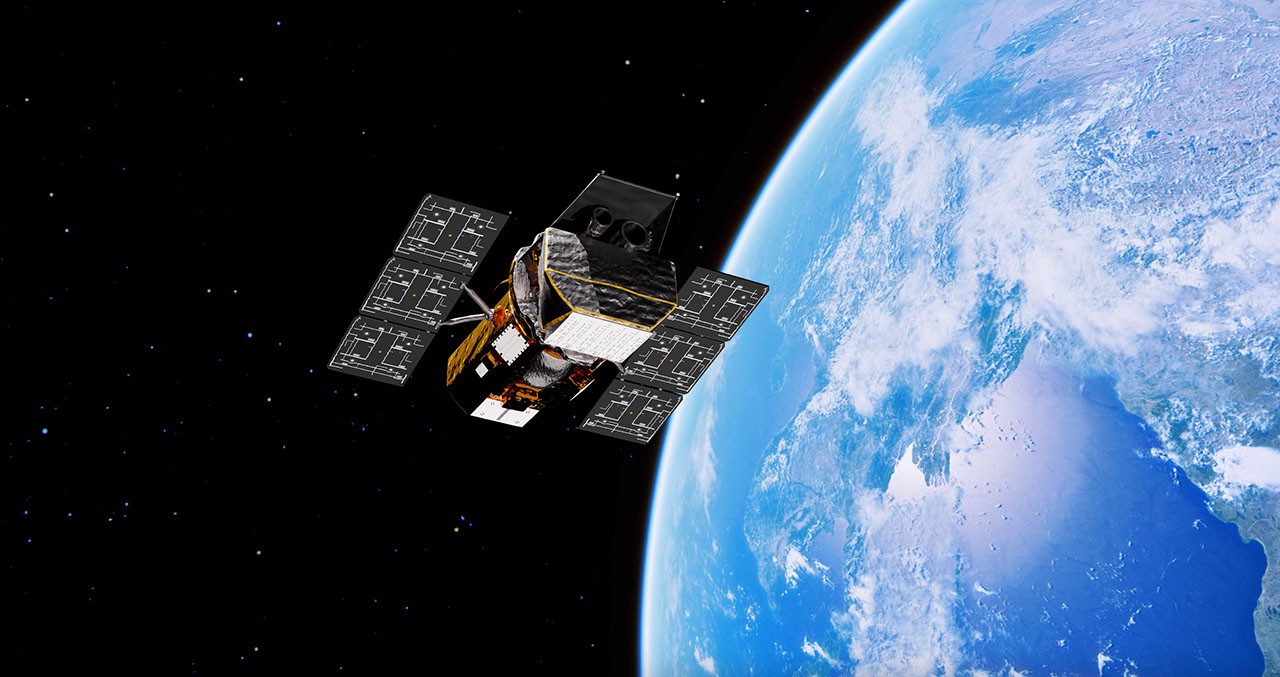
NASA's Swift observatory falls back to Earth after nearly 22 years
The gamma-ray burst hunter re-entered over Indonesia, ending a mission that was planned to last just two years.
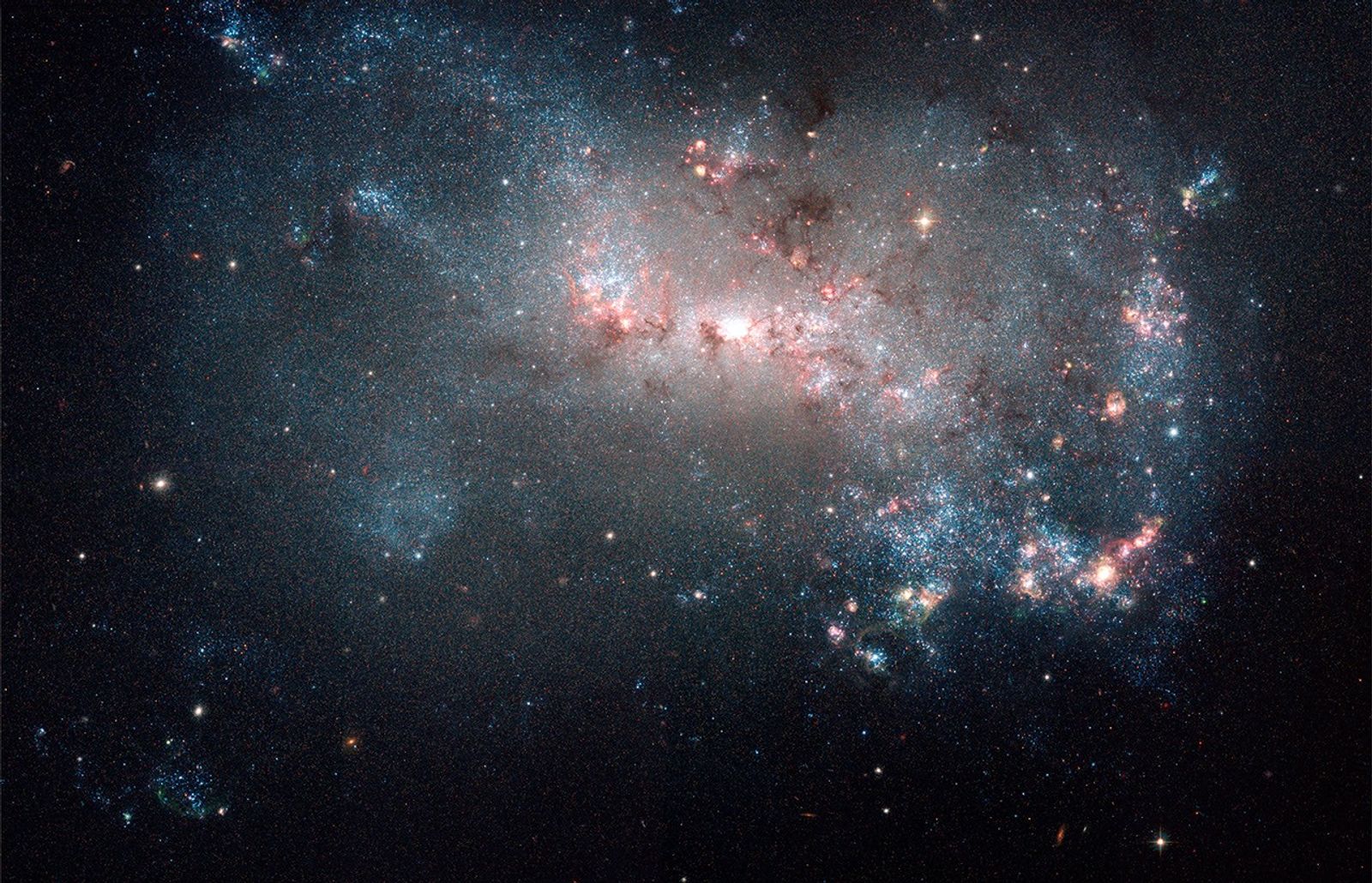
Hubble finds nearby dwarf galaxies are missing most of their oxygen
Supernova-driven winds appear to strip small galaxies of heavy elements far more effectively than models predict.

NASA asks industry how to save Hubble, with responses due Nov. 30
With no engine to fight atmospheric drag, the telescope is expected to re-enter in 2033–34 unless a mission reaches it by 2032.
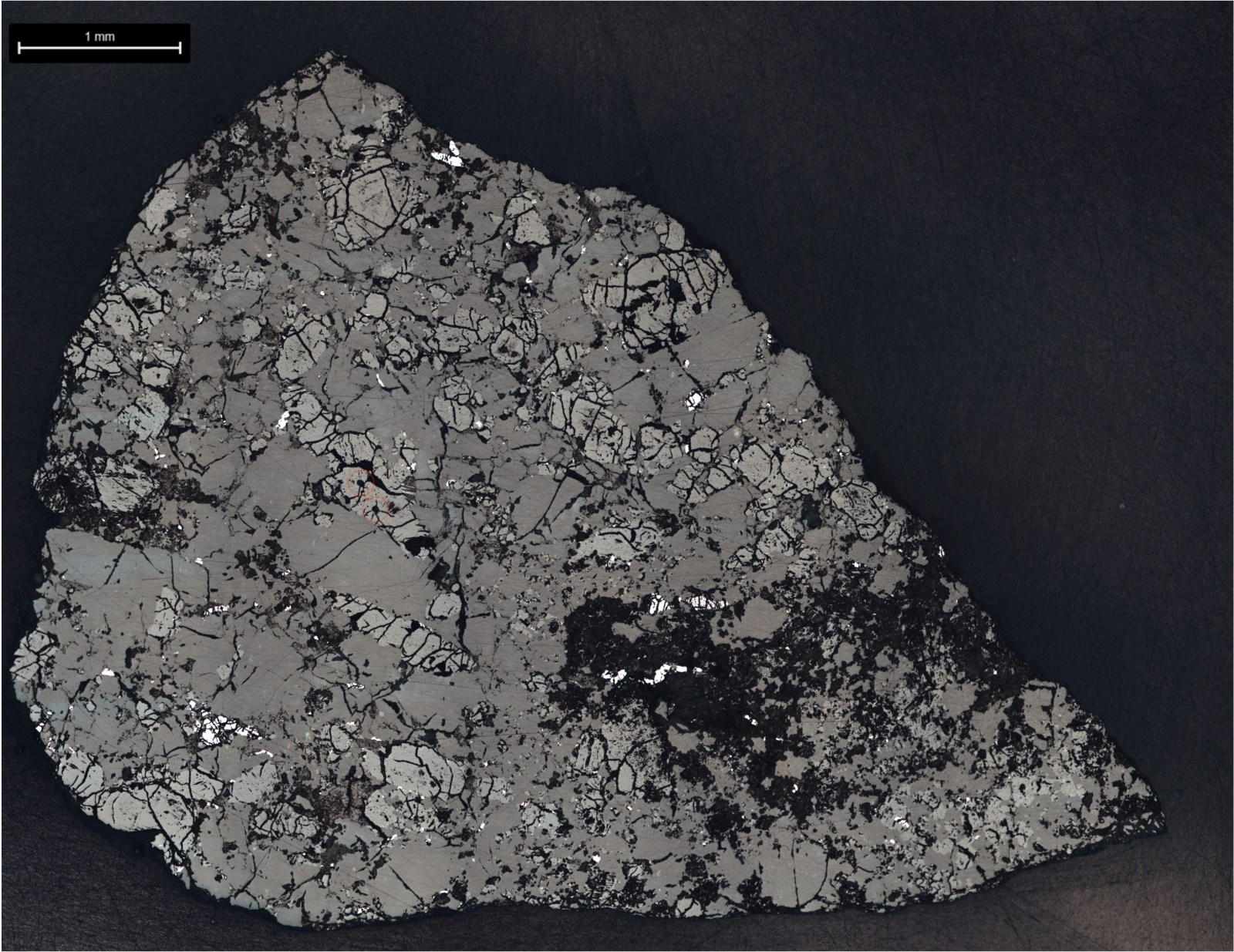
Rose-colored rock from the Sahara is one of the oldest pieces of Mars ever found
Teghaza 001 formed more than 4.1 billion years ago and offers a rare look at the Red Planet's ancient crust.